SHREVEPORT
USDA lOAN
For buyers looking to own a home, a Shreveport USDA Rural Development Loan can be more affordable than expected. With no down payment, flexible approval rules, and lower monthly costs, this program helps families reach homeownership without the stress or confusion tied to financing.
USDA Loans in SHREVEPORT
In and around the Shreveport area, many homebuyers select USDA Rural Development loans for their $0 down option, reduced mortgage insurance, and steady long-term affordability. Supported by the U.S. Department of Agriculture, these loans are built to help moderate-income families buy homes in eligible rural and suburban communities near Shreveport.
For qualified buyers, a USDA loan can be the most affordable path to homeownership—especially if you want to keep upfront costs low and avoid draining your savings.
Benefits of a USDA Loan
✅ Zero Down Payment — Buy a home with no down payment required for eligible borrowers and properties.
✅ Lower Mortgage Insurance Costs — USDA’s guarantee fee and annual fee are typically lower than FHA’s mortgage insurance.
✅ Flexible Credit Requirements — Many buyers qualify with credit in the low- to mid-600s, depending on their overall profile.
✅ Competitive Fixed Interest Rates — Government backing helps keep your monthly payment affordable and predictable.
✅ Wide Eligibility Around Shreveport — Many nearby areas qualify, including Moss Bluff, Iowa, Carlyss, Gillis, and parts of Sulphur.
✅ No Loan Limit — Instead of a set maximum loan amount, USDA uses income limits and debt-to-income guidelines, giving buyers more flexibility.
USDA LOAN GUIDE
Learn everything you need to know about USDA loans, including:
What a USDA loan is and how it compares to FHA and conventional loans
Eligibility rules for location, income, and household size
Credit score and debt-to-income guidelines
How USDA mortgage insurance works and what it actually costs
Step-by-step guidance for getting approved and buying a home
Common USDA mistakes to avoid
Refinancing options available in the future
The pros and cons of USDA loans — and when another loan type may make more sense
WATCH HERE 👍
SHREVEPORT
USDA Loan Requirements
USDA loans are designed to be affordable and accessible, but there are still a few key guidelines to meet. Most borrowers can expect:
Property must be located in a USDA-eligible rural or suburban area
Household income must fall within USDA income limits for the area
No down payment required for qualified buyers
DTI typically around 41%, with flexibility in some cases
Stable income and employment history
Primary residence only
Home must meet USDA safety and livability standards
Mortgage insurance is required, but typically lower than FHA
See What Our Clients Are Saying
GET A SHREVEPORT USDA Loan
Getting a USDA loan is a straightforward process when you know what to expect.
Here’s how it works:

1. Talk with
Bayou
Start with a quick conversation about your goals, credit, and budget. We’ll help you understand if an FHA loan is the right fit and what options you qualify for.

2. Get A Clear Home Buying Plan
With your pre-approval in hand, you’ll know exactly how much home you can afford and can shop with confidence. This step also helps your offer stand out when you find the right property.

3. Find Your Home & Close
Once you’re under contract, our team will guide you through every step of the process from paperwork to closing day so you can move into your new home with peace of mind.
SHREVEPORT USDA LOAN FAQ'S
Frequently Asked Questions
What is a USDA loan and how does it work?
A USDA loan (also known as a Rural Development loan) is a zero-down-payment mortgage program backed by the U.S. Department of Agriculture. It is designed to help low-to-moderate-income families purchase homes in eligible rural and suburban areas. Because the government guarantees the loan, lenders can offer competitive interest rates and 100% financing to qualified buyers.
How do you qualify for a USDA loan?
To qualify for a USDA loan, you must meet several key requirements. First, the property must be located in a USDA-eligible rural area. You'll need to demonstrate adequate income to afford the mortgage payments, though your household income cannot exceed 115% of the area median income. U.S. citizenship or permanent residency is required, and you must intend to use the home as your primary residence. While credit requirements are more flexible than conventional loans, lenders typically look for a credit score of at least 640 for streamlined processing, though lower scores may still be considered with compensating factors.
What credit score is needed for a USDA loan?
Most USDA-approved lenders prefer a minimum credit score of 640 for automated underwriting approval. However, the USDA doesn't set an absolute minimum credit score requirement, meaning borrowers with scores below 640 may still qualify through manual underwriting. If your credit score is lower, you'll need to demonstrate strong compensating factors such as stable employment history, substantial savings, low debt-to-income ratio, or a history of paying rent on time. Some lenders may work with scores as low as 580, though approval will be more challenging and may require additional documentation.
What are the income limits for a USDA loan?
USDA loan income limits vary by location and household size. Generally, your household income cannot exceed 115% of the area median income (AMI) for your county. For example, in many areas, a family of four might have an income limit ranging from $90,000 to $115,000, while higher-cost areas may allow up to $130,000 or more. Household income includes wages, salaries, bonuses, Social Security benefits, retirement income, and other regular sources of income for all adult household members. You can check specific income limits for your county using the USDA's online eligibility tool at the USDA Rural Development website.
What areas and homes are eligible for a USDA loan?
USDA loans are available for properties in designated rural areas, which surprisingly includes many suburban communities. Generally, eligible areas have populations of 35,000 or fewer, though some areas with up to 50,000 residents may qualify depending on other factors. Many towns and suburbs within commuting distance of major cities are USDA-eligible. The property must be a primary residence and meet basic safety and structural standards. You can verify specific address eligibility using the USDA's property eligibility map online. Homes must be move-in ready, though minor repairs are typically acceptable if they don't affect safety or livability.
How much down payment is required for a USDA loan?
One of the most attractive features of USDA loans is that they require zero down payment for qualified borrowers. This 100% financing option allows you to purchase a home without the traditional 3% to 20% down payment required by conventional or FHA loans. However, you'll still need funds for closing costs, which typically range from 2% to 5% of the purchase price. Some sellers may agree to contribute toward closing costs, and USDA loans allow up to 6% in seller concessions. You may also be able to roll some closing costs into the loan amount in certain situations.
How do I apply for a USDA loan?
The application process begins by determining which USDA program suits your needs. For Guaranteed loans (the most common option), you'll work with a USDA-approved lender who will prequalify you and guide you through the mortgage application. Start by verifying property and income eligibility using USDA online tools, then gather necessary documents including tax returns, pay stubs, bank statements, and employment verification. For Direct loans, which are reserved for very low-income applicants, you'll apply directly through your local USDA Rural Development office. Your lender will submit your application for USDA approval, and upon conditional approval, you can begin house hunting in eligible areas.
What is the difference between a USDA loan and an FHA loan?
While both are government-backed programs designed to help homebuyers, USDA and FHA loans differ significantly. USDA loans require zero down payment and are restricted to eligible rural and suburban areas with income limits, while FHA loans require a minimum 3.5% down payment but have no location or income restrictions. USDA loans typically offer lower interest rates and more affordable mortgage insurance (called a guarantee fee), but FHA loans are available to a broader range of borrowers. USDA loans are specifically for primary residences in qualified areas, whereas FHA loans can be used anywhere in the country. Your choice depends on your location, income level, and down payment capability.
How much house can I afford with a USDA loan?
USDA loans don't have a maximum loan amount, but your borrowing power is determined by your income, debts, and the property location. Lenders typically apply debt-to-income ratios, usually capping total debt (including the new mortgage) at 41% of your gross monthly income, though some flexibility exists for strong applicants. For example, if your household earns $75,000 annually, you might afford a home priced between $225,000 and $275,000, depending on your existing debts, down payment, credit score, and local property taxes and insurance costs. USDA-approved lenders can provide personalized affordability calculations based on your specific financial situation.
How long does the USDA loan approval process take?
The USDA loan approval timeline typically ranges from 30 to 45 days from application to closing, though it can vary based on several factors. Initial lender prequalification usually takes a few days, while full underwriting and USDA approval may take 2 to 3 weeks. Once conditionally approved, the property appraisal and final underwriting typically require another 1 to 2 weeks. Delays can occur due to high application volume, incomplete documentation, property appraisal issues, or title complications. To expedite the process, submit complete documentation upfront, respond quickly to lender requests, and work with experienced USDA lenders familiar with the program's specific requirements. During peak homebuying seasons, allow extra time for processing.
Read Our Latest USDA Blogs
USDA Rural Development Loan: The Complete Guide
The Rural Development (USDA) Loan is an amazing loan program that has a 40 down payment requirement. Check out all the USDA loan requirements ...more
USDA Loan
January 11, 2026•8 min read
What is a USDA Rural Development Home Loan?
What is a USDA Rural Development Home Loan? ...more
USDA Loan
January 11, 2026•4 min read
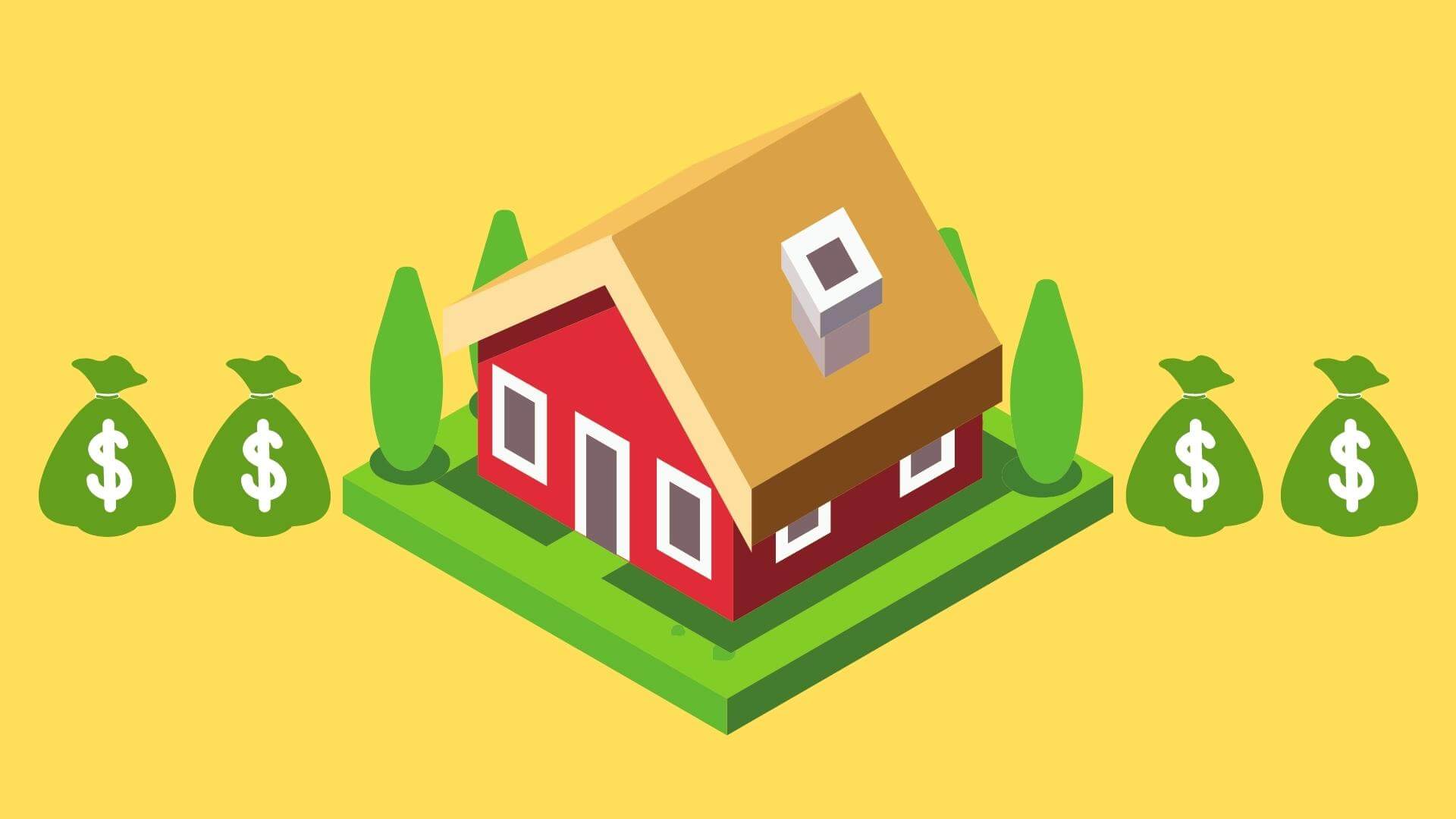
How to Apply for a USDA Loan
How to apply for a USDA Loan: Follow these 7 steps to go from home shopper to homeowner. Get a USDA Rural Development Loan and own your home. ...more
USDA Loan
January 11, 2026•7 min read
Pros and Cons of USDA Loans
What are the pros and cons of USDA Loans? 100%, low interest rates and affordable payment. Is USDA right for you? ...more
USDA Loan
January 11, 2026•9 min read